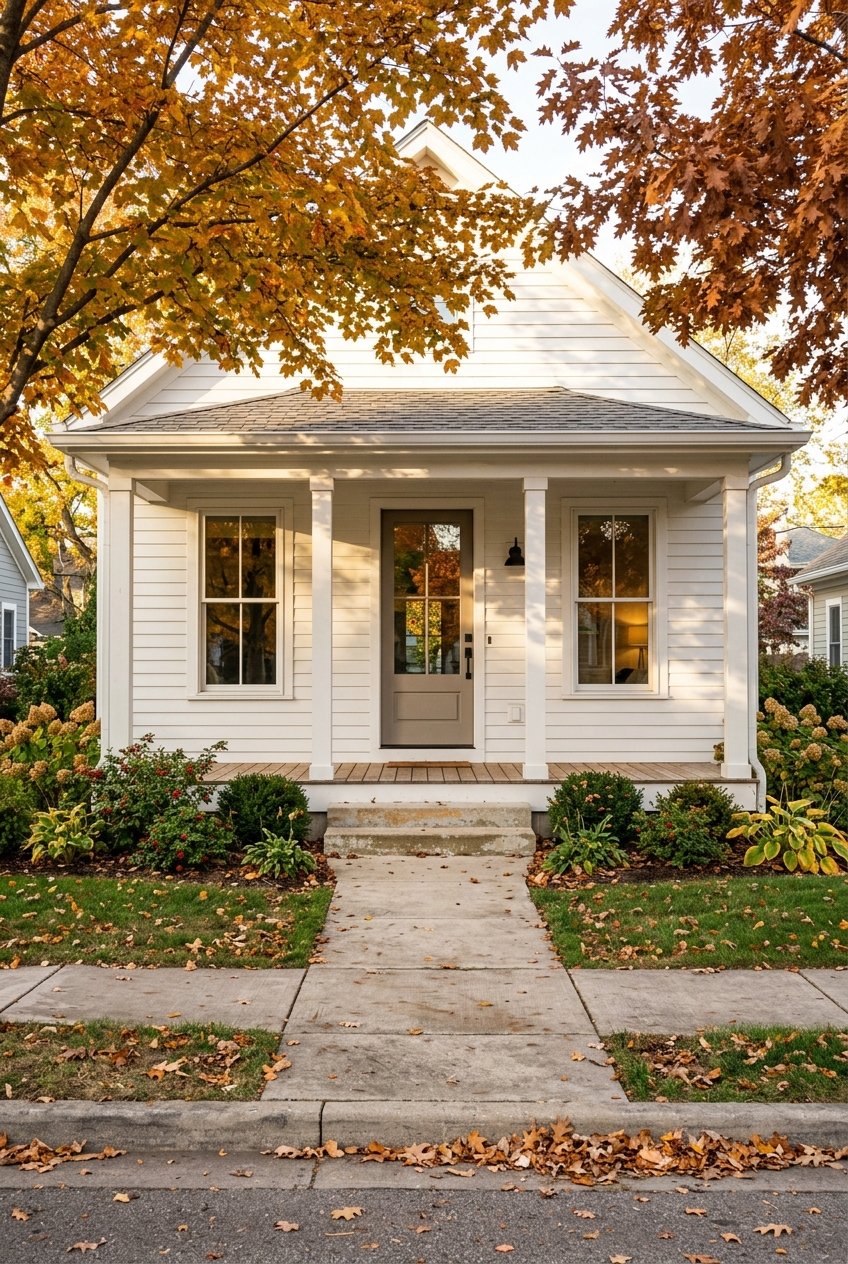
Walkable Living In Saratoga Springs: Neighborhood And Lifestyle Guide
June 11, 2026
June 11, 2026
Want a lifestyle where you can step out your front door and actually get somewhere on foot? In Saratoga Springs, that kind of daily routine is most realistic in and around the historic core, where sidewalks, parks, dining, transit, and public spaces cluster close together. If you are thinking about buying in Saratoga and want to understand where walkable living really works, this guide will help you see which areas offer the strongest fit and what day-to-day life can look like. Let’s dive in.
Walkable living in Saratoga Springs is not an all-or-nothing story. The city’s walkability is strongest in the downtown core and then gradually becomes more car-dependent as you move farther out.
That pattern makes sense when you look at how the city is organized. Saratoga Springs says its Complete Streets Plan is designed to support pedestrians, bicyclists, motorists, and transit riders, and the city’s Missing Sidewalk Links program focuses on a one-mile urban-core radius where schools, parks, businesses, public facilities, transit stops, medical facilities, and residences are concentrated. The city also reports 94 miles of sidewalks and Bronze-Level Walk Friendly Community recognition.
For you as a buyer, that means location matters at the block level. Two homes with the same neighborhood label can offer very different day-to-day convenience depending on how close they sit to the downtown grid, parks, and transit stops.
If your goal is to handle more of daily life without relying on a car, this is the clearest starting point. The city’s historic-district map places the Broadway Area from Spring Street to Van Dam Street, the Congress Park Area around Congress Park and Broadway from Circular to Spring Streets, and Franklin Square one block west of Broadway.
This part of Saratoga Springs brings together many of the places people use regularly. The Visitor Center sits at 297 Broadway across from Congress Park, and the Saratoga Springs Public Library is at 49 Henry Street, one block east of Broadway between Henry and Putnam Streets. That concentration of public resources helps make these blocks feel practical for everyday living, not just enjoyable for a weekend stroll.
You also get the strongest access to downtown dining and activity here. Official tourism listings place cafes and restaurants directly on Broadway and nearby streets, which supports a routine where grabbing coffee, meeting friends, or heading out for dinner can be part of your normal week.
For many buyers, this is the walk-to-everything zone. If you want the simplest version of car-light living in Saratoga Springs, this is usually the area to watch most closely.
These nearby areas can still work well for a walkable or bike-friendly lifestyle, especially if you are close to the downtown street network. The city identifies the Eastside Area, North Broadway Area, and Union Avenue district as part of its historic-district map, and their proximity to downtown helps keep many destinations within easier reach.
The key difference is consistency. In these areas, exact block location matters more than the neighborhood name alone.
If you are house hunting here, it helps to think in terms of your personal routine. Are you hoping to walk to Broadway, the library, Congress Park, or transit stops? If so, even a few extra blocks can change how often you choose to walk versus drive.
For buyers who want a balance, these areas can be appealing. You may still feel close to the energy of downtown while gaining a little more breathing room than the most central blocks.
If your version of walkable living includes trails, open space, and recreation rather than a full downtown routine, some west- and south-adjacent areas deserve a look. The city’s recreation facilities are spread across the East Side, West Side, North Side, and Waterfront Park, and the Greenbelt Trail plan describes a planned 24-mile shared-use path intended to connect residential neighborhoods to downtown.
That creates a different kind of car-light lifestyle. Instead of walking to everything every day, you may be able to combine neighborhood strolls, trail access, bike rides, and selective downtown trips.
This can be a strong fit if you value movement and outdoor access as much as storefront convenience. It is a softer version of walkable living, but for many buyers, it can feel more comfortable and realistic.
Congress Park is one of the clearest signs that Saratoga’s downtown is built for more than errands. The city operates the historic carousel there, and the park sits directly across from the Visitor Center on Broadway.
That location helps the park function as part of everyday life. It is not tucked away or separated from the downtown experience. Instead, it acts like a central shared space where a walk, a quick break, or time outdoors can easily fit into your routine.
If you picture walkable living as more than just getting from place to place, Congress Park is a big part of that story. It adds rhythm, scenery, and public space to the center of the city.
Saratoga Spa State Park is a major recreation anchor for the city. New York State Parks describes it as a National Historic Landmark with biking, hiking, golf, swimming, tennis, ice skating, snowshoeing, and cross-country skiing, along with food, a visitor center, and cultural venues such as SPAC, the Spa Little Theater, the Children’s Museum, and the Saratoga Automobile Museum.
That range matters because it broadens what lifestyle access means. In Saratoga Springs, walkable or car-light living is not only about restaurants and shops. It can also include regular access to outdoor activity, cultural spaces, and seasonal recreation.
For some buyers, being near the downtown edge and within easier reach of Spa State Park offers the best of both worlds. You can stay connected to the core while keeping a major recreational asset in your weekly routine.
Saratoga Springs also has a broad local recreation network. East Side Rec includes walking and jogging paths, fitness equipment, a skate park, splash pad, pickleball, tennis, and ballfields, while Waterfront Park offers picnic and paddling opportunities.
These amenities matter because they support quality of life beyond the downtown blocks. Even if you do not live in the center, access to recreation can still shape how active and connected your day-to-day life feels.
Walkable living works best when walking connects with other transportation choices. In Saratoga Springs, that mix includes bus service, seasonal trolley access, rail, and bike share.
CDTA Route 450 runs daily between Schenectady, Saratoga, and Wilton, with Saratoga stops including Broadway at Congress Park and High Rock Avenue and Circular Street. Route 540, the Northway Express, serves Downtown Saratoga on weekdays. Route 875, the Saratoga Summer Trolley, runs Wednesday through Sunday in summer and connects Broadway, Congress Park, hotel-area stops, and Saratoga Casino Hotel.
CDTA also says its buses are wheelchair accessible and equipped with bike racks. That helps support a more flexible routine if you want to combine walking, biking, and transit instead of depending on one mode alone.
For longer-distance travel, Amtrak’s Saratoga Springs station is downtown at 26 Station Lane. The tourism bureau also notes that CDPHP Cycle bike share operates throughout Saratoga.
Taken together, these options make car-free or car-light living more realistic if you choose a central address. You may still want a car for some trips, but a well-placed home can reduce how often you need one.
Not every buyer wants the same version of walkability. The best neighborhood for you depends on what you want to reach most often and how you like to spend your time.
Here is a simple way to think about it:
During your home search, it helps to test the neighborhood the way you would actually live in it. Walk from a potential home toward Broadway, Congress Park, the library, or a transit stop. Pay attention to how natural that trip feels. In a city like Saratoga Springs, small differences in location can have a big impact on your routine.
Lifestyle fit is easy to overlook when you are focused on price, square footage, or bedroom count. But your location shapes how you spend your time, how often you drive, and how connected you feel to the city around you.
In Saratoga Springs, buyers who prioritize walkability usually get the best results when they look closely at the historic core first. That is where the city’s sidewalks, public amenities, dining, parks, transit options, and civic spaces come together most clearly.
If you are planning a move, a neighborhood guide can only take you so far. The real key is matching your everyday habits with the right pocket of the city.
If you want help narrowing down Saratoga Springs neighborhoods based on how you actually want to live, Dina Coluccio-Weinman can help you compare locations, evaluate your options, and find a home that fits both your goals and your routine.
Stay up to date on the latest real estate trends.
Dina Coluccio-Weinman pairs New York market insight with a results-driven approach. Known for her integrity, strategic mindset, and personalized service, she guides clients through every step, making each buying or selling journey smooth, successful, and stress-free.