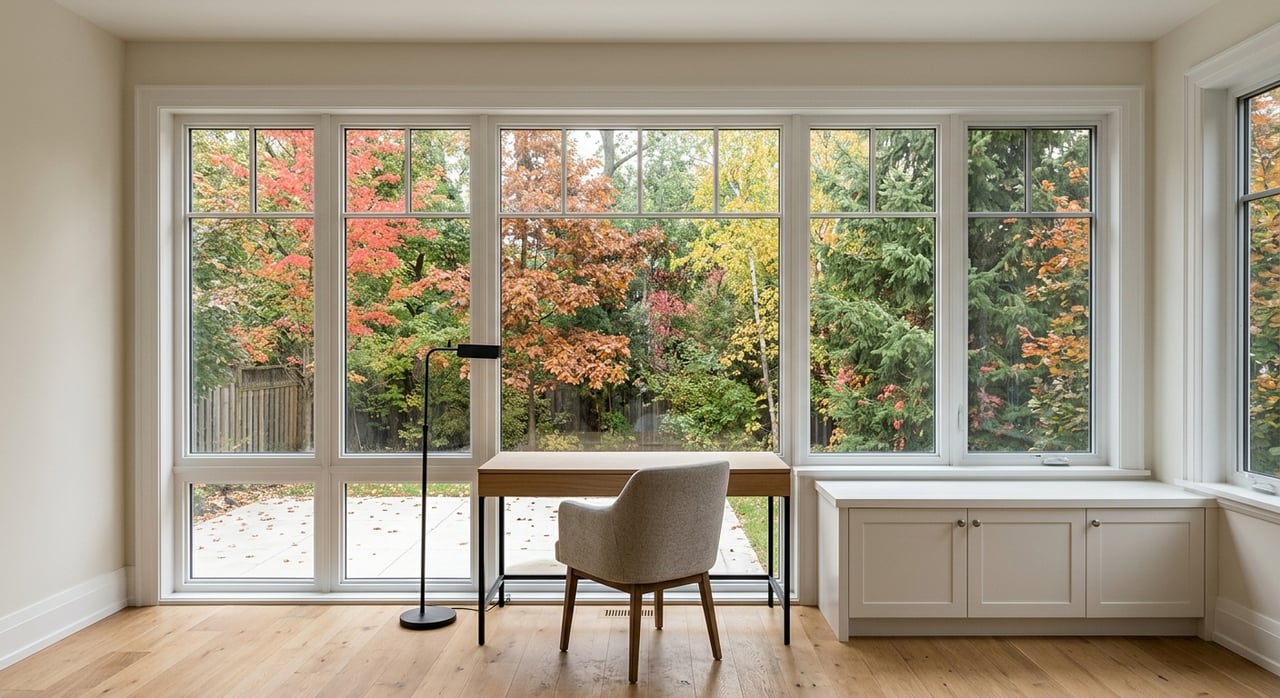
Lake George Second Home Guide for Your Next Move
May 21, 2026
May 21, 2026
Trying to decide whether Lake George should be your weekend escape or your full-time address? That choice affects more than how often you pack a bag. It can shape your financing, taxes, rental flexibility, and the kind of property due diligence you need before closing. If you are weighing both paths, this guide will help you sort through the practical differences so you can move forward with more confidence. Let’s dive in.
In Lake George, the difference between a second home and a primary residence is not just personal. It can affect how a lender underwrites your loan, whether you may qualify for certain property tax benefits, and how you should evaluate upkeep and future use.
It also matters because Lake George is not governed by one single set of rules. A property may be in the Town of Lake George or the Village of Lake George, and waterfront homes may also fall under Lake George Park Commission oversight. That means your buying decision should include a clear look at location, property type, and intended use.
For mortgage and tax purposes, a primary residence is generally the home where you live most of the time. A second home is treated differently and usually must be occupied by you for part of the year, be suitable for year-round use, remain under your control, and not operate like a timeshare.
That distinction matters right away in Lake George. If you plan to live there full time, your path may be more straightforward from an owner-occupancy standpoint. If you are buying a seasonal property, you also need a plan for vacancy, winterization, routine checks, and maintenance tied to lake-area living.
A full-time move may align more easily with owner-occupied financing and local homeowner benefits. It can also simplify how you think about day-to-day use, especially if the home is designed for year-round occupancy.
For many buyers, a primary residence decision is less about vacation appeal and more about practical fit. You may want to focus on commute patterns, four-season livability, utility systems, and how the property functions during winter.
A second home can offer flexibility and lifestyle value, but it usually comes with more planning. You may need a strategy for empty periods, snow removal, heating system monitoring, and protecting the property during colder months.
If the home is waterfront, the checklist gets longer. You should confirm items like dock status, mooring rights, septic condition, and any prior permits tied to shoreline or lake-related improvements before you close.
One of the biggest differences between a primary home and a second home is how the lender classifies the property. In general, second homes are often underwritten more conservatively than primary residences.
Published conforming loan guidelines reflect that difference. Freddie Mac shows a higher maximum loan-to-value ratio for a one-unit primary residence than for a second home on certain purchase and no-cash-out refinance transactions. Fannie Mae also applies pricing adjustments to some second-home loans.
If you tell a lender the property will be your primary residence, second home, or investment property, that classification can affect your down payment, reserves, and pricing. It can also shape whether any rental income is considered during qualification.
This is especially important if you think you may rent the home occasionally. A property that feels like a personal getaway to you may be treated differently by the lender if the expected use looks more like a rental than a true second home.
Before you make an offer, ask clear questions about how the home will be treated in underwriting. This can help you avoid surprises later in the process.
If you are considering a full-time move, taxes are an important part of the conversation. In New York, the STAR benefit applies only to owner-occupied primary residences and only to school district taxes, not most county, town, or city taxes.
That means a seasonal or vacation home generally will not receive the same benefit as a full-time residence. Buyers sometimes assume a second home gets the same relief, but that is not typically the case.
Property tax and exemption questions are handled locally. In Warren County, assessment and exemption information is maintained through local channels, and the Lake George town assessor is listed separately.
If you are leaning toward a full-time move, it makes sense to ask early whether you may qualify for STAR or other possible exemptions. Local assessors may also determine eligibility for exemptions related to age, veteran status, or disability.
Your long-term plan for the property can also affect the tax picture. IRS guidance says the main-home capital gains exclusion generally applies to your principal residence if you meet ownership and use tests.
In many cases, qualifying taxpayers may exclude up to $250,000 of gain, or $500,000 on a joint return. A second home usually does not receive that exclusion unless it later becomes your principal residence and meets the IRS requirements.
In Lake George, the lifestyle question often overlaps with a property rules question. A home that works beautifully for occasional personal use may not offer the same flexibility if you later want to rent it or increase guest use.
That is why local due diligence matters so much here. The answer can depend on whether the home is in the Town or Village of Lake George, whether it is waterfront, and whether systems like septic can support your intended use.
If part of your plan includes renting the home, review local short-term rental requirements early. In the Town of Lake George, residential property owners may use dwellings for short-term rentals of 30 days or less only after obtaining a residential rental permit.
That permit is renewed annually and must meet standards tied to parking, garbage, occupancy, septic capacity, and emergency contact information. The town code also states that short-term rental owners are subject to occupancy tax requirements, and Warren County provides occupancy tax information and forms for lodging and short-term rental owners.
For waterfront homes, permit history should be part of your regular due diligence. The Lake George Park Commission requires permits for new dock or mooring construction and for modifications.
The Commission also maintains records of authorized dock and mooring configurations for lakefront properties. That means you should verify what is permitted, what exists now, and whether any changes were properly approved.
Septic systems deserve close attention whether you plan to live in the home full time or use it seasonally. The Lake George Park Commission’s septic program is designed to reduce nutrient input from wastewater systems, and local code can reduce allowable occupancy when septic capacity is inadequate.
That can affect how many people may legally use the property. It can also change whether a home is practical for your needs, especially if you expect frequent guests or hope to use the property as a short-term rental.
A good buying decision usually comes down to asking the right questions before you are emotionally committed. In Lake George, that means looking beyond the view and into the details that affect ownership.
If you are torn between a second home and a full-time move, start with your real-life pattern of use. Be honest about how often you will be there, whether you want rental income, and how much maintenance you are comfortable managing from a distance.
Then match that plan to the property itself. In Lake George, the best fit is often the one that supports your intended use without creating financing, tax, or permit issues later.
A thoughtful buying strategy can save you time, money, and stress. If you want help comparing options in Lake George and asking the right questions before you commit, reach out to Dina Coluccio-Weinman for clear, local guidance.
Stay up to date on the latest real estate trends.




Dina Coluccio-Weinman pairs New York market insight with a results-driven approach. Known for her integrity, strategic mindset, and personalized service, she guides clients through every step, making each buying or selling journey smooth, successful, and stress-free.