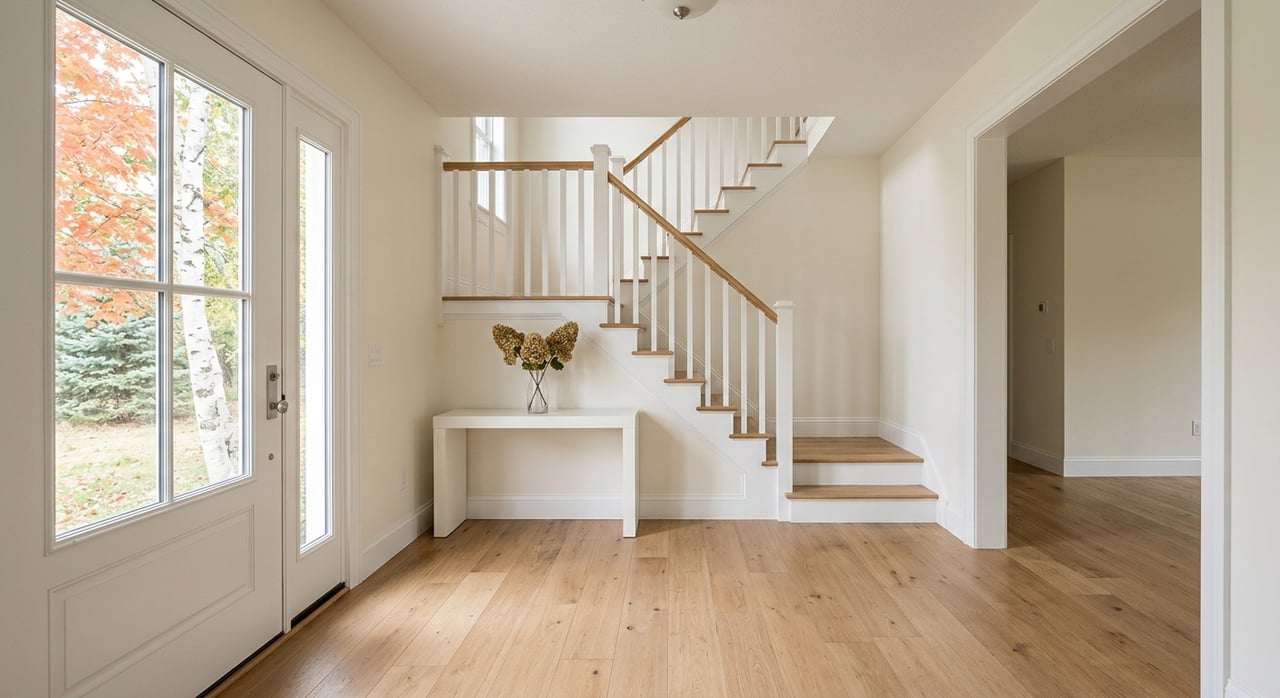
Understanding the Home Closing Process in Queensbury, NY
May 7, 2026
May 7, 2026
Buying a home in Queensbury can feel exciting right up until the closing process starts throwing around terms like title review, appraisal, recording, and cash to close. If you are wondering what actually happens after your offer is accepted, you are not alone. The good news is that the path from accepted offer to keys follows a fairly predictable New York pattern, and once you know the steps, the process feels much more manageable. Let’s dive in.
In Queensbury, a home purchase often closes in about 30 to 45 days after an offer is accepted, though a 30 to 60 day window is also common. The exact timing depends on your financing, contract contingencies, inspection findings, appraisal timing, and how quickly paperwork moves.
A helpful rule of thumb is this: inspection scheduling should happen right away, the appraisal often takes shape over roughly two weeks, and the full closing process usually wraps up within that broader 30 to 60 day range. These are general benchmarks, not guarantees, but they can help you set realistic expectations.
Once your offer is accepted, the closing period begins. This is the stretch where you move from negotiated terms on paper toward meeting all the requirements needed to actually transfer ownership.
During this stage, contingencies matter. These are contract conditions that protect you if certain things do not happen, such as a financing issue or an unsatisfactory inspection result.
In New York, sellers of residential property must provide a Property Condition Disclosure Statement before you sign a binding contract of sale. This form is based on the seller’s actual knowledge, but it is not a warranty, which is why your own inspection and due diligence are still important.
One of the first things you should do after the offer is accepted is schedule your home inspection. Moving quickly gives you time to review the findings, ask questions, and decide whether to negotiate repairs or move forward as planned.
If your contract includes an inspection contingency, a serious issue found during the inspection may give you the ability to cancel without penalty. That is one reason this step matters so much early in the process.
In New York, home inspectors are licensed by the Department of State, with limited exceptions for certain architects and engineers acting within their profession. The law also requires a written inspection report no later than five business days after the inspection.
If the home was built before 1978, the New York disclosure form specifically reminds buyers to investigate lead-based paint. That does not automatically mean there is a problem, but it does mean older homes deserve a closer look during your due diligence.
Your appraisal is not the same as your home inspection. The inspection is for your understanding of the home’s condition, while the appraisal helps the lender confirm the property’s value for the loan.
Most lenders require an appraisal, and you are entitled to a copy of any appraisal or valuation the lender obtains. For a typical home loan, that copy must arrive no later than three days before closing.
If the appraisal or inspection reveals major repair concerns, the lender may require repairs before closing or allow an escrow holdback. This is one reason even small delays in the early stages can affect the closing date later.
Title work is a major part of a New York closing. In many Upstate New York transactions, the buyer’s attorney orders and reviews the title report, explains any exceptions, and may examine land title records or an abstract of title.
This step is designed to make sure the seller can transfer clear ownership and to flag any issues tied to the property record. Depending on the transaction, the closing may involve the buyer and seller, their attorneys, the title closer, the lender’s attorney, and the real estate brokers.
For buyers, this is one of the moments when having steady coordination really helps. There are multiple professionals working on overlapping deadlines, and clear communication can keep small issues from turning into closing-week surprises.
Title services usually include the title search, title insurance, and related closing services. Most lenders require a lender’s title insurance policy, and you may also choose an owner’s title insurance policy to protect your own financial interest in the property.
New York also has closing costs that are specific to the transaction and location. Two that buyers in Queensbury should know about are the state mortgage recording tax and the state real estate transfer tax.
Here is the key distinction:
You should receive your Closing Disclosure at least three business days before closing. This is one of the most important documents in the process because it shows the final terms of your loan and your final closing costs.
When you review it, compare it with your earlier Loan Estimate. Pay close attention to the loan amount, interest rate, total closing costs, cash to close, and any escrow or tax items.
If a number looks different than expected, ask about it right away. Closing is much less stressful when questions are handled before signing day.
Before you sign, you should complete a final walk-through of the property. This is your chance to confirm that agreed repairs were completed and that any items the seller agreed to leave behind are still there.
The walk-through is not a second inspection. It is a practical final check to make sure the home is in the condition you expected based on the contract.
If something changed, contact the seller right away. It is much easier to address an issue before documents are signed and funds are released.
Closing day is when the paperwork, money, and legal transfer all come together. In a financed purchase, the closing of the loan and the closing of the home purchase usually happen at the same time.
At the table, you may see the seller or the seller’s representative, both real estate agents, a closing or settlement agent, and sometimes attorneys depending on the transaction. The lender will also require proof of homeowners insurance before funding the loan.
If your mortgage includes escrow, your initial escrow deposit is set up at closing. After that, property taxes and homeowners insurance are typically paid through your monthly mortgage payment.
Once all documents are signed and funds are disbursed, ownership transfers. Then the seller or seller’s representative hands over the keys, and the deed and mortgage documents are sent for recording.
In Queensbury, the Warren County Clerk is the recording and filing officer for documents such as deeds and mortgages. That means the final ownership and lien documents are entered into the public record there.
For buyers, this step usually happens behind the scenes after closing. Even so, it is an important final part of the process because it officially records the change in ownership and any new mortgage lien.
A Queensbury closing involves several moving parts, and each person has a distinct role. Knowing who does what can make the process feel less overwhelming.
Your buyer’s agent helps you stay organized, track deadlines, and coordinate communication across the transaction. That support can be especially valuable when inspection timing, title work, lender requirements, and closing logistics all need to stay aligned.
Your lender processes the mortgage, orders the appraisal, prepares final loan terms, and issues the Closing Disclosure. The lender also confirms insurance and funding conditions before closing.
The home inspector evaluates the property’s condition and provides a written report. This helps you better understand the home before you commit to the final purchase.
The appraiser gives the lender an opinion of the property’s value. This protects the lender’s underwriting process and can affect whether the loan moves ahead as expected.
In many Upstate New York transactions, the buyer’s attorney plays a central role in title review, explaining legal documents, and guiding you through issues that come up before closing.
The title company or closing agent helps handle title services and the legal transfer process at closing. This role helps bring together documents, funds, and final settlement tasks.
The County Clerk records the deed and mortgage after closing. That recording step makes the ownership transfer and lien part of the official public record.
While no closing is completely stress-free, a few simple habits can make the process easier.
A steady, informed approach can save you from a lot of last-minute pressure.
If you are planning to buy in Queensbury, having a local guide who can help you understand the timeline, coordinate the moving parts, and keep communication clear can make a real difference. When you are ready for responsive, consultative support from offer to closing table, connect with Dina Coluccio-Weinman.
Stay up to date on the latest real estate trends.





Dina Coluccio-Weinman pairs New York market insight with a results-driven approach. Known for her integrity, strategic mindset, and personalized service, she guides clients through every step, making each buying or selling journey smooth, successful, and stress-free.