Queensbury vs Glens Falls Homes for Your Next Move
May 14, 2026
May 14, 2026
If you are torn between Queensbury and Glens Falls, you are not alone. These neighboring communities can both work well for your next move, but they offer very different day-to-day experiences. When you understand how housing, lot sizes, access, and amenities compare, it becomes much easier to spot which setting fits your lifestyle best. Let’s dive in.
Queensbury and Glens Falls sit close together, but local planning documents point to two distinct built environments. Queensbury has evolved from a more rural setting into a suburban one, with parts of the town still relatively rural today.
Glens Falls has a more compact city pattern. Its zoning includes different residential densities, two-family and multifamily districts, and a downtown vision focused on mixed-use growth, walkability, historic character, housing options, and multimodal connections.
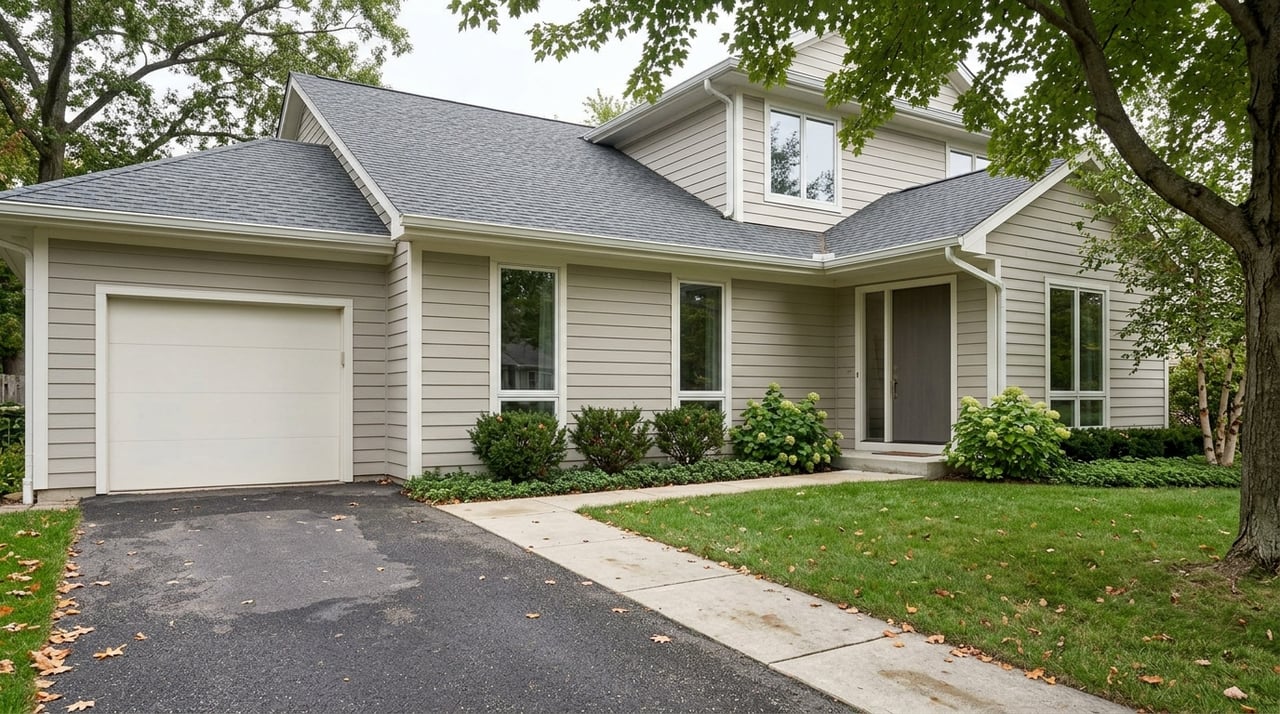
For many buyers, the biggest difference starts with the type of home setting you want. If you picture more separation between homes, a larger yard, and a more detached-home feel, Queensbury often stands out.
If you prefer a smaller-lot setting, a wider range of housing choices, or being closer to a downtown environment, Glens Falls may feel like a better match. Neither is better across the board. It depends on how you want to live.
Queensbury’s housing summary says the majority of its housing is single-family residential. The town also includes rural-residential zoning districts with 3-acre and 5-acre requirements, along with neighborhood-residential areas that can allow smaller lots when water and sewer are available.
That combination supports a more spread-out pattern in many areas. In practical terms, you may find more opportunities for yard space, garages, and accessory space depending on the property and zoning district.
Glens Falls has a denser and more varied housing mix. Its residential districts include larger lots in one area, moderate and smaller lots in others, plus two-family and multifamily districts.
The city’s draft consolidated plan says the housing stock is almost evenly split between single-family homes and multi-unit structures. It also notes that more apartments are being added downtown through mixed-use redevelopment.
Lot size affects more than curb appeal. It can influence maintenance, privacy, storage, outdoor use, and even how connected you feel to the surrounding neighborhood.
This is one of the clearest differences between Queensbury and Glens Falls. Your answer may come down to whether you want more land to manage or less land to maintain.
Queensbury zoning includes large-lot rural-residential districts, including 3-acre and 5-acre areas. Even in neighborhood-residential districts, lot standards can support a more suburban layout than what you might expect in a compact city center.
If your wish list includes a larger yard, more space between homes, or a property that feels less dense, Queensbury may line up more naturally with your goals.
Glens Falls sets smaller minimum lot sizes in several residential districts, including 10,000, 7,500, and 5,000 square feet depending on the area. That creates a different ownership experience than a larger-lot suburban or rural-style property.
For some buyers, that is a plus. A smaller lot can mean less exterior maintenance and easier access to downtown amenities and city services.
Your daily movement matters just as much as the home itself. Even if Queensbury and Glens Falls are neighbors, they are organized around different access patterns.
A good question to ask yourself is simple: do you want your routine built more around highway driving, or around a smaller street grid and downtown access?
Queensbury’s access pattern is strongly connected to Interstate 87. According to the town, exits 18, 19, and 20 are the major entry points, with exit 19 serving as the main exit for shopping, restaurants, and businesses.
Exit 18 gives quick access to downtown Glens Falls, while exit 20 connects to Lake George and recreation-oriented destinations. If easy regional driving is a priority, Queensbury may feel especially convenient.
Glens Falls has a more compact city layout, but it still offers regional connections. A 2025 city release notes that Route 713 runs from downtown Glens Falls to the Saratoga Springs Rail Station via I-87 on weekdays.
The city also operates a 50/50 sidewalk replacement program, which supports its walkable street network. If you like the idea of a more connected street environment with downtown access built into everyday life, Glens Falls may appeal to you.
The best fit often comes down to how you spend your regular week, not just weekends. Where do you shop, walk, relax, or head outside after work?
Queensbury and Glens Falls both offer parks and recreation, but the feel of those amenities is different. One leans more toward highway-convenient retail and recreation hubs, while the other leans more toward a compact downtown and connected city spaces.
Queensbury’s corridor information highlights exit 19 as the main shopping and business area and names Aviation Mall. The town also points to attractions and recreation near exit 20, including the Factory Outlets of Lake George, Six Flags Great Escape, Rush Pond Trail, Gurney Lane Recreation Area, Jenkinsville athletic fields, and the Glen Lake Canoe Launch.
Queensbury Parks & Recreation says the town has seven parks with hiking and walking trail systems. Gurney Lane alone includes more than 150 acres and over 13 miles of mountain-bike trails.
Glens Falls’ draft smart-growth plan describes downtown as the city’s economic, cultural, and social hub. It emphasizes a walkable setting, public spaces, historic character, housing options, and cultural amenities.
The city’s parks information includes Crandall Park and Cole’s Woods. In 2025, the opening of Pruyn’s Path added a 0.9-mile trail along the Hudson River connecting downtown, Haviland’s Cove Park, Murray Street Park, and the Feeder Canal Path.
If you are comparing Queensbury vs Glens Falls, it helps to think in terms of lifestyle tradeoffs instead of trying to find one “winner.” The better choice is the one that supports your routine, budget, and comfort level with space and maintenance.
A simple rule of thumb from the local planning and zoning documents is this: Queensbury tends to fit buyers who prioritize more land, a more detached-home profile, highway access, and recreation-oriented convenience. Glens Falls tends to fit buyers who prioritize smaller lots, more housing variety, a walkable downtown setting, and closer access to city amenities.
Before you start scheduling showings, think through these practical questions:
On paper, Queensbury and Glens Falls may look close enough to compare quickly. In real life, the feel of each area can change from one block or district to the next.
That is why it helps to work with someone who can guide you through the differences in housing pattern, access, and day-to-day convenience. When your search is tied to your actual routine, it is much easier to focus on homes that truly fit.
If you are planning a move and want help narrowing down the right fit between Queensbury and Glens Falls, Dina Coluccio-Weinman can help you compare your options with a clear, practical approach.
Stay up to date on the latest real estate trends.
Dina Coluccio-Weinman pairs New York market insight with a results-driven approach. Known for her integrity, strategic mindset, and personalized service, she guides clients through every step, making each buying or selling journey smooth, successful, and stress-free.