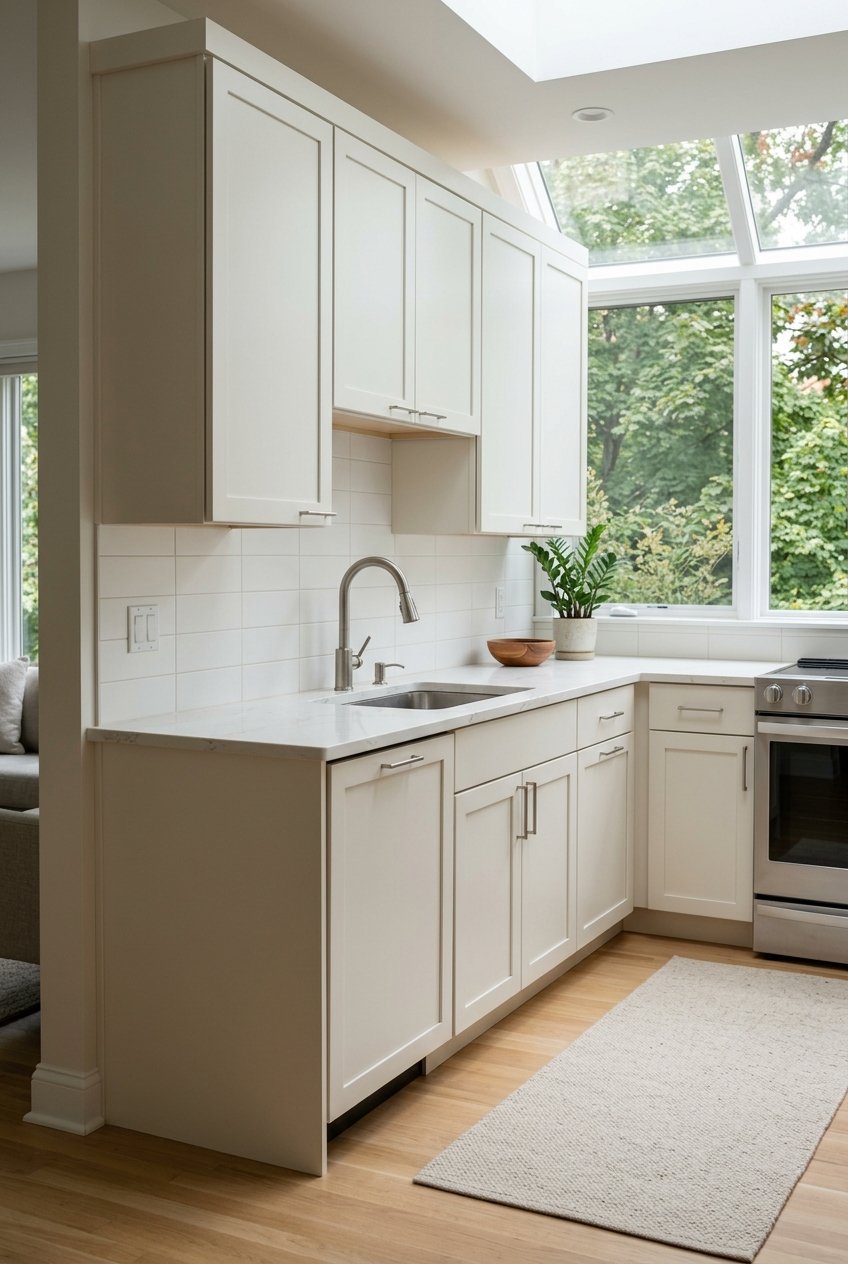
A Practical Guide to Downsizing in Glens Falls
July 16, 2026
July 16, 2026
Thinking about moving to a smaller home in Glens Falls? You are not alone, and you are not imagining the complexity. Downsizing can free up time, lower upkeep, and simplify daily life, but it also takes careful planning in a market where replacement housing, timing, and paperwork all matter. This guide walks you through what to expect in Glens Falls, how to prepare your current home, and how to make a smart next move. Let’s dive in.
Downsizing is not just about getting rid of extra stuff. In Glens Falls and across Warren County, it is also a housing decision shaped by local inventory, pricing, and the types of homes available. That matters if you want your move to feel easier, not more stressful.
Glens Falls has an estimated 2025 population of 14,383, with a fairly balanced mix of owners and renters. The city’s owner-occupied housing rate is 52.3%, while Warren County overall is more owner-heavy at 72.1%. The county also has an older population, with 27.3% of residents age 65 and up, compared with 16.0% in Glens Falls.
Local housing trends show why early planning matters. Warren County’s 2025 residential median sale price reached $327,000, up from $304,000 in 2024 and $289,000 in 2023. If you are selling a larger home and buying something smaller, your sale proceeds are only part of the equation. You also need to think about what your next home may cost.
A Warren County housing study also projects continued growth in senior households through 2027. That means downsizing is becoming a bigger local housing need, especially for people looking for manageable, lower-maintenance options.
One of the biggest downsizing mistakes is focusing only on the sale of your current home. Before you list, it helps to have a realistic picture of where you want to go next and how quickly you may be able to get there.
In Glens Falls and nearby areas, smaller-home options can include detached homes, duplex-style properties, multifamily conversions, townhomes, apartments, senior housing, condos, and co-ops. The local housing mix supports a range of choices, but availability may not line up perfectly with your timeline.
If you are considering a rental or age-focused housing option, start early. The county housing study found low vacancy in affordable rentals, and many properties maintain waiting lists. That means you should not assume you can sell first and find the next place right away.
A simple early checklist can help you stay grounded:
Many downsizers are moving from a home built for a larger household into a home meant for one or two people. In Glens Falls, the average household size is 2.03 people. In Warren County, it is 2.13.
That shift matters when you begin comparing your current home to your next one. You may not need the extra bedrooms, large basement, formal dining room, or oversized yard that once made sense for a growing household.
The Warren County housing study found that two-bedroom units are the most common unit type offered. It also reported that many senior properties focus on one-bedroom units and select two-bedroom units. Affordable one-bedroom units were roughly 451 to 894 square feet, while two-bedroom units were roughly 668 to 1,080 square feet.
For many people, downsizing works best when you focus on how you live now, not how you lived 10 or 20 years ago. That may mean prioritizing:
The same county study found that 75.3% of senior renter households are one-person households. That is a helpful reminder that keeping extra rooms just because you have always had them may not serve your next chapter.
A smaller home does not always mean a dramatically cheaper move. Your monthly costs can shift in different ways depending on whether you buy, rent, or choose a different housing type.
In Glens Falls, median monthly owner costs without a mortgage are $710, and median gross rent is $1,077. Countywide, median monthly owner costs without a mortgage are $664, and median gross rent is $1,105. These numbers are useful benchmarks when you compare your current costs with your future housing plan.
It also helps to remember that sale price and monthly budget are not the same thing. A lower-maintenance home may reduce some ongoing responsibilities, but purchase price, rent, fees, and moving expenses still need to be weighed together.
As you build your budget, consider:
Once your next-home plan is taking shape, you can turn to preparing your current property for sale. This stage is where many downsizers make real progress, because every item you sort now is one less thing to move later.
A practical approach is to go room by room. Start with the least emotional spaces, like linen closets, bathrooms, or guest rooms, then work toward more personal areas like family rooms, offices, and storage spaces.
A clean prep sequence looks like this:
This process supports both presentation and disclosure. In New York, the Property Condition Disclosure Act requires sellers of residential real property to complete and sign the disclosure statement and deliver it before the buyer signs a binding contract. The law excludes condo units and co-op apartments from that definition, and the New York Department of State lists a revised disclosure form effective July 1, 2025.
That makes it especially helpful to gather records early for items like:
You do not need a perfect, magazine-ready house to make a strong impression. But you do want buyers to see the space clearly and understand how it lives.
According to 2025 staging research, 83% of buyers’ agents said staging makes it easier for buyers to visualize a home. Another 49% of sellers’ agents said staging reduced time on market, and 29% said it increased offers by 1% to 10%. Even when a seller does not fully stage, 51% said decluttering or correcting property faults still matters.
For most downsizers, that means focusing on the rooms buyers notice first:
The good news is that downsizing prep and sale prep often overlap. The items you remove to simplify your move are often the same items that help your home show better.
Glens Falls offers a mix of housing types, which can be useful if you want flexibility. The city’s residential zoning districts are intended to provide for one-, two-, and multifamily dwellings, so smaller detached homes, duplexes, and multifamily conversions are all part of the local picture.
If you are exploring age-focused housing, the Glens Falls Housing Authority includes senior housing options in the city. Cronin High Rise in downtown Glens Falls has 101 one-bedroom apartments for 55+ households, along with ADA units and on-site laundry, and it has a wait list. Larose Garden Apartments is also in Glens Falls and is within walking distance to shopping, restaurants, and public transportation.
For many downsizers, one-level living is a top priority. The Warren County housing study found significant demand for single-story townhomes for seniors who want to downsize and age in place. If that is important to you, make it one of your first search filters rather than an afterthought.
Downsizing is not always about moving far away. Sometimes the goal is to stay close to familiar routines while finding a home that fits your needs better.
Warren County’s Office for the Aging and its Community Services for the Elderly program provide information on home care, transportation, senior housing, financial help, health insurance, legal assistance, and nutrition programs. NY Connects also serves as a no-wrong-door access point for long-term services and supports.
These resources can help you think beyond the property itself. If staying independent, reducing driving, or improving day-to-day convenience is part of your goal, local support options may shape which type of home makes the most sense.
If your downsizing plan includes a condo or co-op, the process can shift a bit. New York’s residential disclosure law excludes condo units and co-op apartments from the seller disclosure requirements used for many fee-simple houses.
That means your attention should turn to other details, such as:
In other words, a smaller footprint may come with a different kind of homework. It is important to compare not only size and price, but also the long-term fit for your daily life.
If you want to make this process feel more manageable, follow a clear order of operations. That can help you avoid rushed decisions and reduce the chance of getting stuck between homes.
Here is a practical roadmap for downsizing in Glens Falls:
Downsizing is a big change, but it can also be a very positive one. With the right plan, you can trade unused space for a home that feels easier to live in and easier to maintain.
If you are starting to think through your next move in or around Glens Falls, Dina Coluccio-Weinman can help you evaluate your options, prepare your current home, and build a practical plan that fits your goals.
Stay up to date on the latest real estate trends.
Dina Coluccio-Weinman pairs New York market insight with a results-driven approach. Known for her integrity, strategic mindset, and personalized service, she guides clients through every step, making each buying or selling journey smooth, successful, and stress-free.